| On Wednesday April 1, 2009, the Thorndale Fire Company traveled to the Coatesville Veterans Affairs Medical Center for Elevator Rescue Training. This training session was taught by Assistant Fire Chief Ed Gouge of the VA Fire Department, who also serves as a Fire Training Instructor for the Chester County Department of Emergency Services.
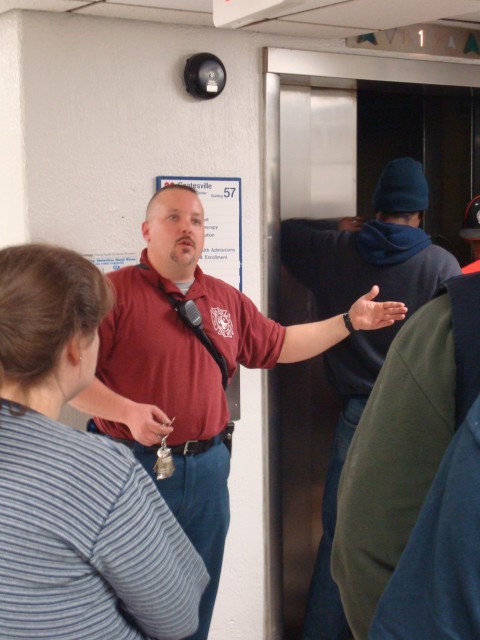
The crews met at Station 76 at 19:00, then departed to Building 57 in Rescue 38, Engine 38, Engine 76, Squad 38, Squad 76, and Ambulance 76. Building 57 contains a hydraulic elevator, which served as the first topic for the evening. Assistant Chief Gouge spoke about responding to emergencies involving stuck elevators and how the VA Fire Department handles these incidents. The VA Fire Department responds to several calls for assistance to deal with struck elevators that occur on the grounds every year. Typically, these elevators are stuck between floors and contain victims which are not injured therefore making the situation much easier to deal with. The stuck elevator is mechanically overridden and lowered to allow the trapped victims to exit.
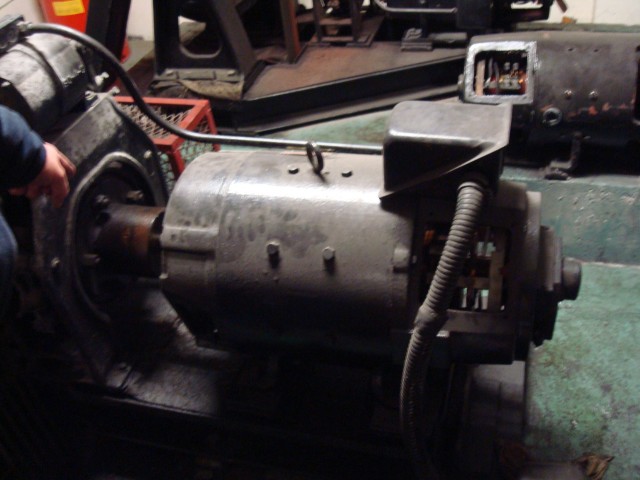
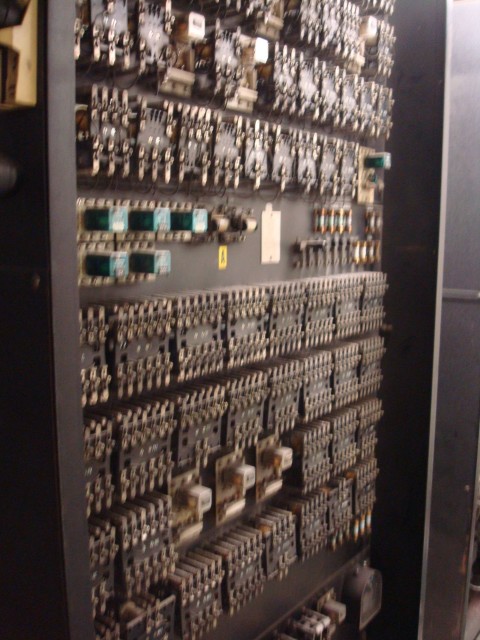
Hydraulic elevators are contained in a CMU or concrete shaft, and ride up and down on rails via a hydraulic cylinder located below the elevator. This cylinder is contained in a pit below the elevator and pushes the car up or down to the desired level. The pressure in the hydraulic cylinder is generated by electric pumps, which use high voltage electricity to power the pump. The hydraulic pump and electrical components are usually located in an elevator mechanical room on the first floor. Assistant Chief Gouge reviewed all the equipment in the elevator mechanical room and the precautions to consider when operating in this very dangerous room.
With all the electrical hazards that occur in elevator mechanical rooms, Assistant Chief Gouge explained the importance of utilizing a tag out system when working around this type of equipment. A tag out system ensures the electric to the equipment rescue personnel are working on is not accidently turned on while they are still working on it.
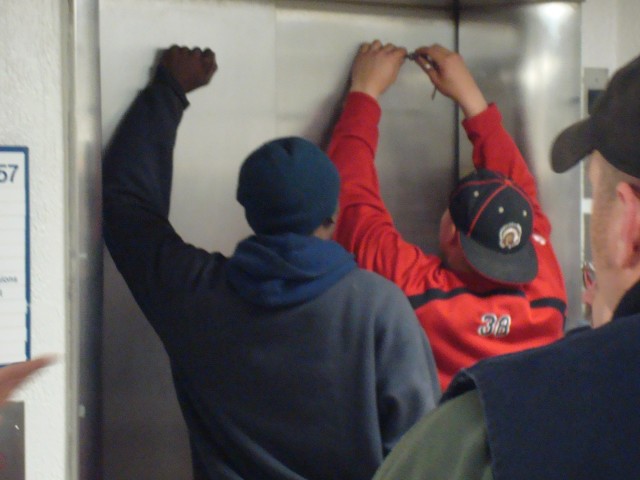
While at Building 57, Assistant Chief Gouge also explained how to manually open elevator doors if they become stuck and will not open. A special elevator key is used to release the locking mechanism and allow the doors to open. Each Firefighter was allowed to try their skills at manually opening the elevator doors, which can be very difficult to do if never done before. The final item discussed at Building 57 was the fire department override feature contained on most elevators. This allows firefighters to use a key to control the operation of the elevators in emergency situations. If an emergency requires the use of an elevator by the fire department, this key is inserted and the fire department override feature is turned on. When this feature is turned on, no other floor can "call" the elevator, in other words the fire department controls where the elevator goes.
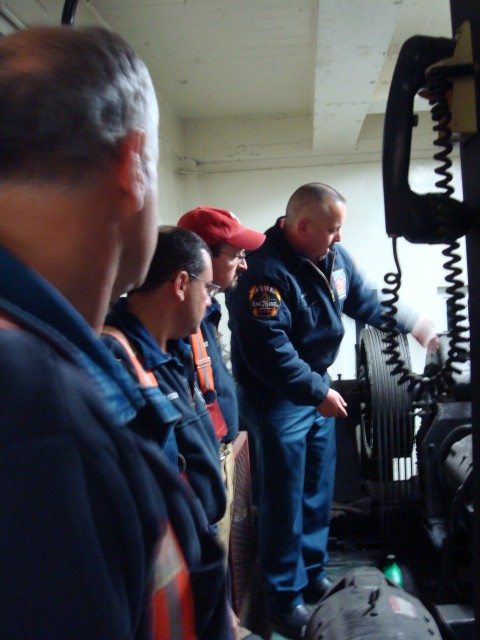
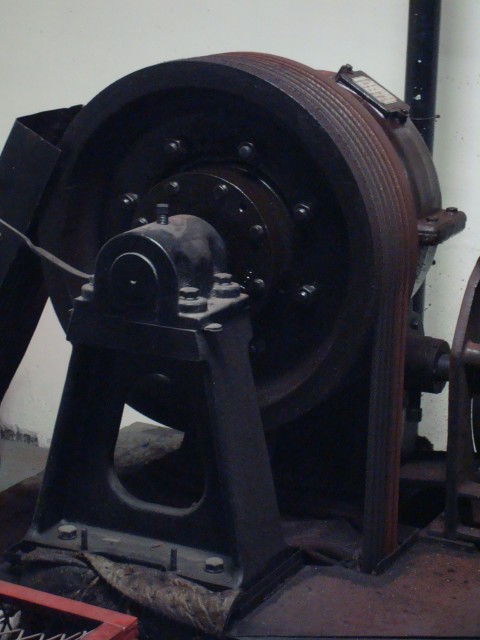
The next stop was at Building 1, where a traction elevator is located. Traction elevators are typically used in older buildings or buildings over three stories. Traction elevators typically contain a car, which rides in a shaft similar to the hydraulic elevators, however in traction elevators this car is suspended by series of steel cables. A room located above the elevator shaft contains large pulleys and electrical motors which control the cables and pull the car to the desired floor. Dealing with emergencies in this type of elevator can be slightly more complex due to the configuration of this system. Assistant Chief Gouge reinforced the importance safety when operating in the elevator machine room for traction elevators as well because of the large motors and cables, which rescuers could become entangled in.
The final stop for the evening was at Station 76, where crews from Thorndale were able to mingle with the on duty C-Shift of the VA Fire Department. Assistant Chief Gouge gave the Thorndale crews a quick tour of the station and talked about typical operations that occur on each shift. The Coatesville VA Fire Department operates an Engine, Tac, Squad, Utility, Ambulance, and Decon Trailer. There are three shifts of 5 man crews with one full time Fire Chief that manages the operation of the department.
Thank you to Chief Gulliver of the VA Fire Department for allowing us to come to the VA for this training session. Also, thank you to Assistant Chief Gouge and the rest of the C-Shift for your hospitality and the very informative training session. |